Mastering Blog Writing Skills: A Step-by-Step Guide to Improving Your Craft
Are you looking to improve your writing skills and become a successful blogger? Look no further! In this comprehensive guide, we'll take you through the steps to learn writing skills for blogs, from finding inspiration to editing and publishing your work. By the end of this tutorial, you'll have the tools and confidence to create engaging, high-quality content that resonates with your audience. So, let's get started and dive into the world of blog writing!
Step 1: Finding Inspiration and Choosing a Niche for Your Writing Skills
To begin with, you need to find inspiration and choose a niche that you're passionate about. This could be anything from lifestyle and fashion to technology and finance. Read popular blogs in your desired niche, such as Top 4 Writing Blogs, to get an idea of what type of content is out there and what works well. Make a list of topics that interest you and start brainstorming ideas for your blog. Remember, your niche should be specific enough to stand out but broad enough to allow for creativity and flexibility. 
Step 2: Developing Your Writing Style and Voice for Blog Writing
Once you've chosen your niche, it's time to develop your writing style and voice. This is what sets you apart from other bloggers and makes your content unique. Practice writing in different styles, such as formal, informal, humorous, or serious, to find what works best for you and your audience. Read widely and pay attention to the writing styles of other bloggers, such as their tone, language, and syntax. You can also experiment with different formats, like lists, stories, or interviews, to keep your content fresh and engaging.

Step 3: Creating Engaging Headlines and Introductions for Your Blog Posts
Now that you have your niche and writing style, it's time to focus on crafting engaging headlines and introductions. Your headline should be attention-grabbing and informative, giving readers an idea of what to expect from your post. Use action verbs, questions, or statements that create curiosity. For example, "How to Improve Your Writing Skills in 10 Days" or "The Ultimate Guide to Blog Writing." Your introduction should be brief and to the point, providing context and setting the tone for the rest of the post. Use anecdotes, statistics, or thought-provoking questions to draw readers in and make them want to keep reading.

Step 4: Writing Compelling and Informative Content for Your Blog
With your headline and introduction in place, it's time to focus on writing compelling and informative content. This is the meat of your blog post, where you provide value to your readers and establish yourself as an expert in your niche. Use a clear and concise writing style, breaking up long paragraphs into shorter ones and using bullet points or lists where necessary. Use examples, case studies, or personal experiences to illustrate your points and make your content more relatable. Don't forget to optimize your content with relevant keywords, but make sure they're used naturally and don't compromise the quality of your writing.

Step 5: Editing and Revising Your Blog Post for Clarity and Grammar
Once you've written your first draft, it's time to edit and revise your blog post for clarity and grammar. This is a crucial step that many bloggers overlook, but it's essential for producing high-quality content. Read your post out loud to identify any awkward phrasing or unclear sentences. Use grammar and spell check tools to catch any mistakes, but also have a human editor review your work if possible. Cut out any unnecessary words or sentences, and make sure your post flows logically from start to finish.

Step 6: Optimizing Your Blog Post for SEO and Social Media
Finally, it's time to optimize your blog post for SEO and social media. This includes using relevant keywords in your title, meta description, and headings, as well as optimizing your images with alt tags and descriptive text. Use social media plugins to share your post on different platforms, and consider collaborating with other bloggers or influencers in your niche to expand your reach. Use analytics tools to track your performance and adjust your strategy accordingly.


Frequently Asked Questions (FAQs)
Q: How often should I post on my blog to improve my writing skills?
A: It's recommended to post at least once a week, but the frequency depends on your niche and audience. Consistency is key to building a loyal following and keeping your readers engaged.
Q: How can I promote my blog and increase my readership?
A: Use social media platforms, engage with your audience, collaborate with other bloggers, and optimize your content for SEO to increase your visibility and attract new readers.
Q: What are some common mistakes to avoid when writing a blog post?
A: Avoid using too much jargon or technical terms, don't be too promotional or sales-y, and make sure to proofread and edit your work carefully to avoid grammar and spelling mistakes.
Effective Blog Writing Tips For Authors & Storytellers

Effective Blog Writing Tips for Authors & Storytellers
How To Improve Your Blog Writing Skills In A Week Easily
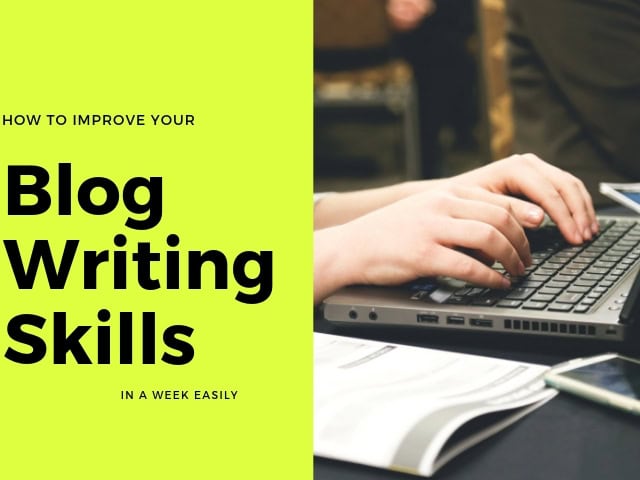
How to Improve Your Blog Writing Skills in a Week Easily
Best Practices For Writing Blogs - Interkom

Best Practices for Writing Blogs - Interkom